 Mountain Hiking
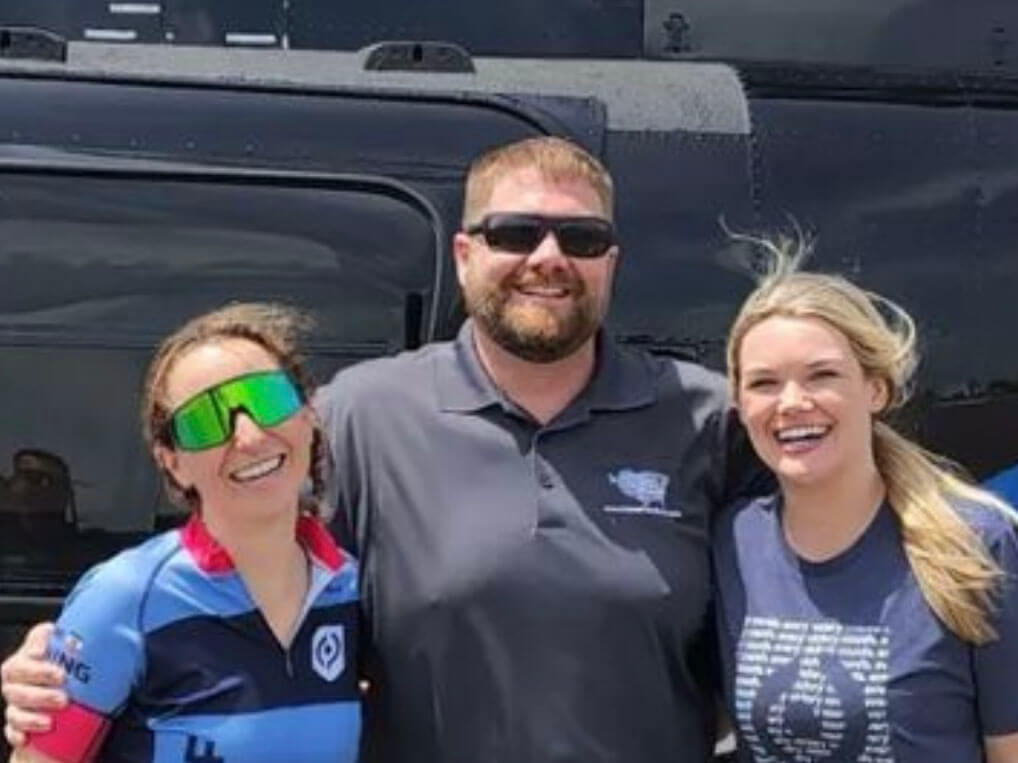 #Meetups

 Paris
Paris

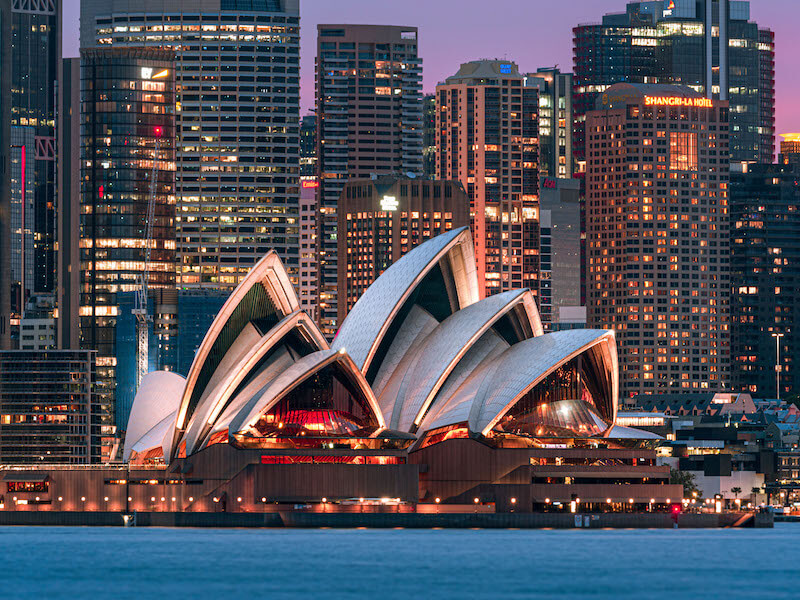
Home / Video Blogs / Wine
Traveling to unique destinations and sharing the good, bad, and ugly with you. Complete honest opinions of hotels, restaurants, and more!
Subscribe to Steven's email list to be notified when new content is released!
Have a suggestion for a location for us to review?
The Carlson Organization, Inc.
18 2nd Street
Luray, VA 22835
In this Discord server covers a wide range of investing, real estate, helicopters, travel and personal health topics.
Join in the discussion and share your insights with the community.
Join Now it's free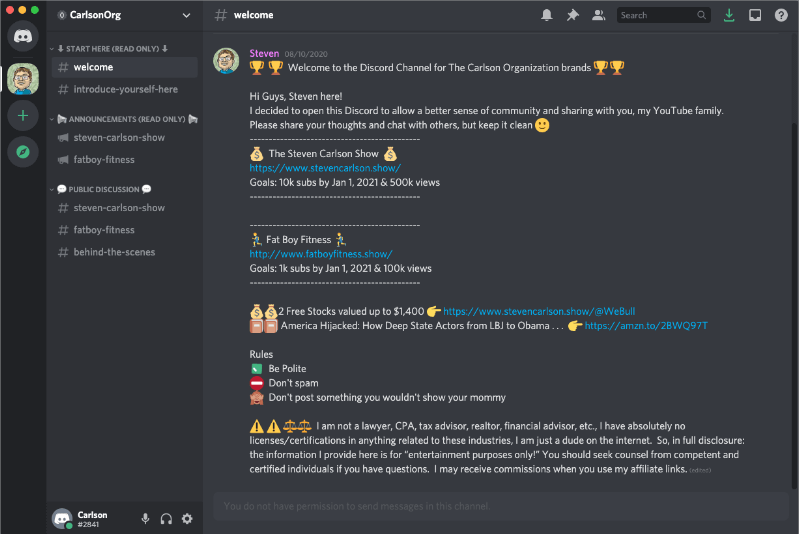
Destination Travel
 view on YouTube